
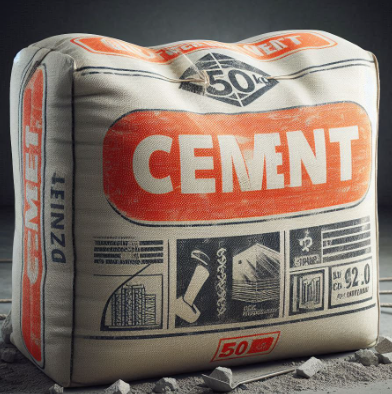
Cement is a finely ground, hydraulic material that binds aggregates together to form concrete or mortar. It is a key component in the construction industry, used in everything from foundations to skyscrapers. Cement’s ability to set and harden underwater is a crucial property that has made it a versatile and indispensable material.
Composition of Cement
Cement is primarily composed of calcium silicate compounds, which are responsible for its hydraulic properties. The specific composition of cement can vary depending on the type and its intended application. However, most cements contain a combination of the following:
- Calcium silicate compounds: The primary binding agents in cement.
- Calcium aluminate compounds: Provide rapid setting and early strength.
- Calcium ferrite compounds: Contribute to the final strength and durability of the cement.
- Gypsum: Added to control the setting time of the cement.
How Cement is Made
The production of cement involves a series of complex chemical and physical processes. The basic steps include:
- Raw material preparation: Limestone and clay are extracted, crushed, and blended in appropriate proportions.
- Preheating and calcination: The raw materials are heated in a kiln to drive off moisture and carbon dioxide, forming clinker.
- Clinker grinding: The clinker is ground into a fine powder, often with the addition of gypsum to regulate setting time.
- Cement grinding: The clinker and gypsum are ground together to produce the final cement product.
Applications of Cement
Cement is used in a wide variety of construction applications, including:
- Concrete: The primary component of concrete, used for foundations, slabs, walls, and other structural elements.
- Mortar: Used to bond masonry units, such as bricks and blocks.
- Stucco: A plaster-like material used for finishing exterior walls.
- Grout: A cementitious material used to fill joints and gaps.
- Specialized applications: Cement is also used in various specialized applications, such as oil well cementing, underwater construction, and precast concrete products.
Types of Cement and Their Applications
Several types of cement are available, each with its own unique properties and applications:
- Ordinary Portland cement (OPC): The most common type of cement, used in a wide range of construction applications.
- Portland blast furnace slag cement (PBFC): A blended cement that incorporates blast furnace slag, resulting in improved durability and resistance to sulfate attack.
- Portland pozzolan cement (PPC): A blended cement that incorporates pozzolan, a volcanic material that improves the long-term strength and durability of the cement.
- Rapid-hardening cement: Sets and gains strength quickly, making it suitable for applications where early strength is required.
- Sulfate-resistant cement: Designed to resist the harmful effects of sulfates in the environment.
- Low-heat cement: Generates less heat during hydration, making it suitable for massive concrete structures.
Portland Cement: The Workhorse of Concrete Construction
Ordinary Portland cement (OPC) is the most widely used type of cement in the construction industry. It is known for its versatility, reliability, and good mechanical properties. OPC is used in a variety of concrete applications, including foundations, slabs, beams, columns, and walls. Its ability to set and harden underwater is a key factor in its widespread use
Leave a Reply