

When engineers design buildings or bridges, they must ensure the structure is safe and strong. Over the years, engineers have used different systems to calculate this safety. These systems are known as design philosophies. In this article, we will explore the three main types: Permissible Stress Design, Load Factor Design, and Limit State Design.
What is Permissible Stress Design?
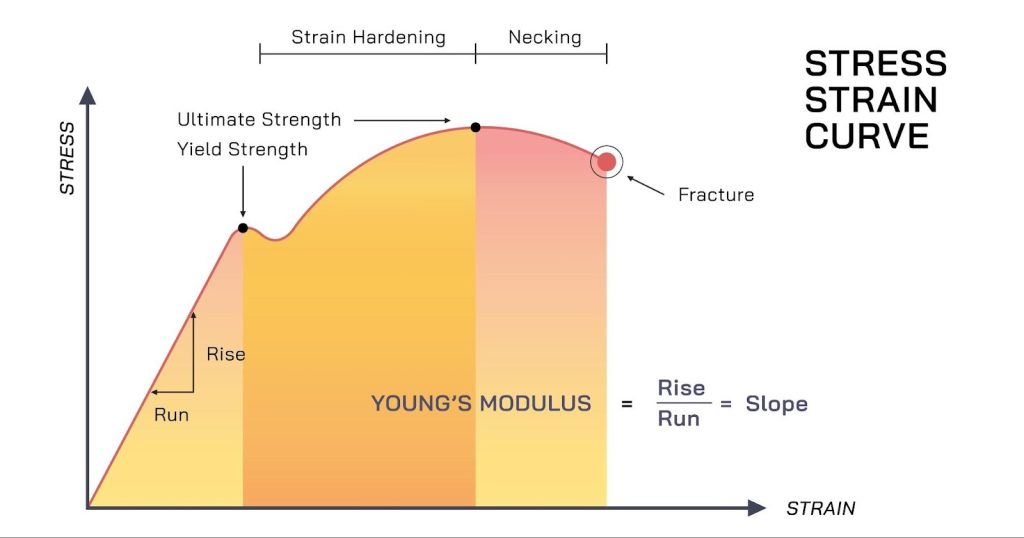
Permissible Stress Design is one of the oldest methods in civil engineering. Engineers often call it “Elastic Design.” In this method, the designer ensures that the stress on a material never exceeds its elastic limit. This means the material should always return to its original shape after you remove the load.
To stay safe, engineers use a “factor of safety.” They take the maximum strength of the material and divide it by a number. For example, if a steel bar can hold 400 units before breaking, an engineer might only allow 200 units. This keeps the building far away from the breaking point. While this method is simple, it often leads to using more material than necessary, making the project expensive.
The Shift to Load Factor Design
As technology improved, engineers developed Load Factor Design. Instead of focusing only on the material’s elastic limit, this method looks at the “collapse load.” Designers calculate exactly how much weight will make a structure fail.
Once they find the collapse load, they divide it by a factor to get the “working load.” This approach is much more realistic because it accounts for how materials behave just before they break. It allowed engineers to calculate the true factor of safety for the first time. Although it was a step forward, it eventually gave way to a more detailed system.
Introduction to Limit State Design
Limit State Design is the modern standard for structural engineering. You can think of it as a smart mix of the previous two methods. It does not just look at when a building will fall down; it also looks at how the building performs every day.
This method uses “partial safety factors.” These factors account for uncertainties in both the loads (like wind or traffic) and the material strength. Most international building codes, such as BS 8110 for concrete and BS 5950 for steel, use this philosophy today. It provides a balanced, safe, and cost-effective way to build modern infrastructure.
Serviceability and Ultimate Limit States
In Limit State Design, engineers check two main categories. The first is the “Ultimate Limit State.” This ensures the building will not collapse or overturn under extreme pressure. It focuses on the safety of the people inside.
The second category is the “Serviceability Limit State.” This ensures the building is comfortable and functional for daily use. For instance, a floor might be strong enough not to break, but if it vibrates too much when you walk on it, people will feel unsafe. This method checks for things like deflection (bending), cracking, and vibration to ensure a high-quality finished product.
Comparing the Three Methods
While Permissible Stress Design is simple, it can be too conservative. Load Factor Design is great for understanding collapse but ignores daily performance. Limit State Design wins because it handles both safety and daily usability perfectly.
| Method | Focus | Main Tool |
| Permissible Stress | Elastic Range | Factor of Safety |
| Load Factor | Plastic Range | Collapse Load |
| Limit State | Overall Reliability | Partial Safety Factors |
If you are a student or a practicing engineer, understanding these shifts helps you appreciate why modern codes are written the way they are. Most modern software now automates these calculations based on the Limit State approach.
For further reading on the history of structural codes, you can visit the Institution of Structural Engineers.
References
- British Standards Institution. (1997). BS 8110-1: Structural use of concrete.
- Mosley, W. H., Bungey, J. H., & Hulse, R. (2012). Reinforced Concrete Design to Eurocode 2. Palgrave Macmillan.
Leave a Reply